A one-day first aid course appears ambitious till you understand just how focused, well-sequenced training can supply exactly what lots of people require: the confidence to take fee when something goes wrong. I have actually instructed first aid and CPR training to hectic child care personnel, tradies on smoko timetables, and workplace teams with back-to-back meetings, and the pattern remains the same. If the training course values individuals's time, cuts the fluff, and drills the essentials, learners leave capable and tranquil under stress. The fast-track format confirms it.
This overview breaks down what a legitimate one-day program resembles, what you ought to anticipate to discover and exercise, and exactly how to select a carrier who takes high quality as seriously as the certification. I will also share field-tested reminders on preparing for the day, retaining skills after, and understanding when to go deeper with specialty modules.
What a day-long first aid course can achieve
The most usual worry is that rate trades away depth. In technique, a well-structured day can cover the core first aid and CPR course web content with enough hands-on time to develop muscular tissue memory. The trick is scenario Check out the post right here design and repetition. Short, realistic drills beat long talks every time.
A normal fast-track program concentrates on the initial 10 minutes of a medical or injury event, the home window where onlooker activity makes the greatest distinction. That consists of scene security, quick analysis, interaction with emergency solutions, and simple interventions that stabilize a person until assistance arrives. When a program maintains that window in mind, it trims edge situations and networks power right into what you are most likely to encounter: less competent casualties, choking, extreme bleeding, cardiac arrest, and typical workplace or home injuries.
If your objectives include a first aid certificate acknowledged for employment or sector compliance, you can attain it in a single day via a respectable provider. Where extended training comes to be necessary is for sophisticated oxygen treatment, medication administration plans in details facilities, or specialized trauma administration. For most offices, institutions, friendliness venues, and neighborhood functions, a same-day first aid and CPR course ticks the box.
Anatomy of a solid fast-track program
The very first hour should lock in basics: how to shield on your own, just how to prevent coming to be a second casualty, and just how to evaluate a scene quickly. Good instructors make use of remarkable series and simple language. I such as to instruct a rhythm: seek dangers, introduce on your own and obtain authorization where possible, check response and breathing, phone call for help, begin the right intervention. Students keep in mind rhythms under stress better than they keep in mind slides.
From there, a day-long first aid training course generally divides right into three arcs. First, medical emergency situations that can take place anywhere. Second, injury circumstances with bleeding and cracks. Third, resuscitation with CPR training and automated external defibrillator use. Each arc alternates brief bursts of training with practical drills. Expect to be on your feet often. Expect to duplicate skills.
Quality programs weave interaction into every drill. Saying aloud what you see and what you are doing helps encode the steps and prepares you genuine calls to emergency situation dispatchers. When I assess students, I do not only view their hands. I pay attention to how they inform a bystander, demand a defibrillator, and turn over to paramedics. Those soft skills conserve minutes and reduce errors.
CPR, AEDs, and the fact of cardiac arrest
Cardiac arrest continues to be the sharpest examination of ordinary rescuer abilities. Survival rates alter substantially when very early compressions and early defibrillation are supplied. Data differs by region, however studies commonly show a 2 to threefold enhancement in survival to hospital discharge with bystander CPR. The obstacle is seldom equipment. It is hesitation.
A limited CPR course section in a fast-track program should go for 2 outcomes. First, you can start upper body compressions without delay on an unresponsive, non-breathing grownup, with appropriate deepness and rate. Second, you can power on an AED, adhere to triggers, make certain pads are placed correctly, and clear the patient before shock delivery. Everything else supports those 2 activities. Rescue breaths, while crucial, ought to not reduce compressions in the beginning if you are working alone. Most modern guidelines HLTAID009 CPR Course Bundaberg approve compression-only CPR for untrained responders or in settings where providing breaths is not possible. Educated responders need to be proficient in both methods, and mannequins that offer comments on deepness and recoil make a clear distinction in structure that competence.
For moms and dads and carers, infant and kid CPR training is non-negotiable. The auto mechanics vary, and the psychological lots is heavier. Fast-track programs that consist of pediatric modules do not need to be much longer, yet they do require to schedule added hands-on cycles with child and youngster mannequins. If you only watch a demonstration for pediatric compressions, you will not prepare to apply them.
Choking, the peaceful panic
Choking drills feel basic till you face them for real. In dining establishments and household kitchens, I have seen individuals ice up due to the fact that they can not determine between back blows and abdominal thrusts, or they bother with harming the individual. The program needs to secure a clear series and exercise it on grown-up and kid trainers. If you educate after lunch, it assists cement the sequence, and it also damages mid-day fatigue.
A good drill includes recognition of partial versus full respiratory tract blockage. Encourage the individual to cough if they can, interfere decisively if they can not, and know how to change strategies for pregnancy or excessive weight. Learners need to feel stress in their muscle mass from technique, not just nod along.
Bleeding and the push for pressure
Severe outside bleeding eliminates quickly, yet it is workable with principles. Direct stress with sufficient force, used early, continues to be the most reliable intervention. Fast-track programs must make you comfy making use of whatever you have, not simply purpose-built dressings. Towels, garments, and folded up plasters all work when used with stable pressure.
Tourniquets deserve more than a passing reference. If your worksite includes machinery, cutting tools, or remote areas, you will wish to know just how to position a commercial tourniquet on an arm and a leg, tighten up until hemorrhaging stops, and videotape the moment of application. Trainers ought to resolve pain, which can be intense, and the prospective problems, which are acceptable compromises in deadly limb bleeding. Make certain the course does not only discuss tourniquets. Learners need to exercise with real tools on each various other's limbs in a controlled way.
Internal blood loss is harder. Right here, the training course should instructor on acknowledgment and quick rise. Stomach pain after an autumn, wounding over the ribs, wooziness, or a light sweaty person might be your only hints. Stablizing, setting of comfort, and rapid activation of emergency situation solutions are your tools.
Fractures, sprains, and the art of doing just enough
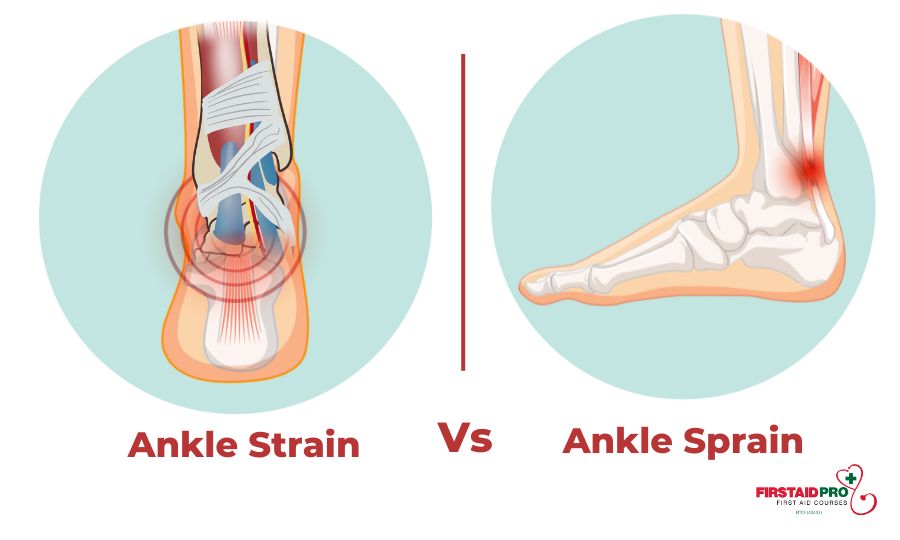
Many first aid courses invest also long on splint building and too little on decision-making. In a fast-track format, learners require a straightforward approach: assess for defect and neurovascular concession, immobilize the location over and listed below the injury if a deformity exists, and maintain the individual cozy. Slings, padded boards, and improvisated sustains all have a place. If a crack is open with bone visible, cover with a damp sterile dressing if offered and stay clear of pushing anything back in. Pain alleviation, where allowed by regional procedures and the individual's history, can decrease shock and help transport.
I remind students that positioning just transforms when blood circulation is at threat. If fingers or toes are cold or pulseless and aid is distant, gentle realignment might be necessary, however this is not a laid-back step. Many work environments will turn over prior to it becomes pertinent, which becomes part of the judgment you gain throughout training.
Medical emergency situations you are likely to see
You might invest days on every diagnosis. A one-day first aid course concentrates on signs that demand activity also if you do not have a tag. Trouble speaking or facial droop, unexpected confusion, discriminatory weak point, or a serious frustration with vomiting points to a feasible stroke. Time issues. The right action is rapid acknowledgment and a focused handover with last known well time, not a deep study causes.
For breast discomfort, the course must show you to treat it as cardiac up until tried and tested otherwise. Rest the person in a setting of convenience, loosen tight garments, and stay clear of unneeded motion. If the person has their very own proposed medication such as nitroglycerin, assist as suitable. If they are unresponsive or collapse, you are back to the CPR flow.
Allergic responses come in silent and remarkable types. Hives and itching are uneasy, yet respiratory tract swelling and wheeze are the risk indications. If the person brings an adrenaline autoinjector, aid them use it and keep in mind the moment. In several countries a second dosage can be administered if symptoms persist after 5 to 10 minutes. An excellent program allows every student take care of an instructor autoinjector and execute the step-by-step without looking down.
Diabetes, seizures, asthma flares, and warmth illness complete the high-frequency group. Each has a few support activities: sugar gel or wonderful drinks for receptive hypoglycemia, mild defense of the head and room throughout generalised seizures without restraining arm or legs, suggested inhaler use with a spacer for bronchial asthma, and active air conditioning for warmth stroke while setting up immediate transportation. The point is not to end up being a clinician. It is to supply calm, efficient first aid and involve higher treatment at the appropriate time.
What your certificate implies, and what it does not
A first aid certificate is evidence that you completed a defined curriculum and showed proficiency at the time of assessment. For work environments, that commonly pleases governing or insurance policy demands for having actually trained employees on website. For you personally, it is a snapshot. Skills degeneration. Self-confidence deteriorates without practice.
Most companies recommend restoring CPR courses every one year and first aid courses every 2 to 3 years. I see a visible difference when someone returns for a cpr refresher course after a year rather than three. Their compressions clear up right into the ideal depth in the first thirty secs. They reach for the AED pads without looking. That is what you want.
A certification is not a certificate to exercise medicine. It does not give you powers you do not or else have. It offers you a structure and muscular tissue memory. In a crisis, those are worth more than any kind of card in your wallet.

Choosing the appropriate company, and why it matters
There are plenty of first aid courses available. Some are excellent. Some are box-ticking exercises. Scrutinize the carrier the way you would certainly a specialist who quotes oddly low.
Look for clear alignment with existing resuscitation standards, transparent training course sizes and evaluation methods, and fitness instructor bios that reveal real-world experience. If a supplier asserts you can end up with no hands-on practice, carry on. The best organizations, whether national charities, exclusive training companies, or sector-focused teams like first aid pro services, release their content outlines and upgrade them after standard modifications. If your office has certain threats, ask how the course adapts. A cooking area group requires melt and reduce circumstances. A stockroom needs crush injury drills and bleeding control. A childcare setting requires pediatric first aid and CPR training baked in.
Class size matters. In my experience, a proportion of one trainer to 12 students, with sufficient tools for small-group method, keeps energy high and wait time reduced. If you see twenty-five people detailed for a half-day program with one trainer and two mannequins, expect a lecture, not a course.
What the day really feels like
Expect to move. A well-paced one-day program alternates brief theory obstructs with useful collections of five to fifteen mins each. You will certainly cycle via grownup, child, and baby mannequins if your course includes pediatric web content. You will certainly talk with fictional dispatchers, direct bystanders, and method utilizing handwear covers and standard obstacle devices. You will certainly inspect breathing, position a person in the recovery placement, apply stress to blood loss, and practice with an AED.
Common responses at lunch is shock at how promptly abilities construct when the drills are limited and focused. By mid-afternoon, exhaustion sets in, which is why the best instructors front-load complicated skills and review them quickly before analysis. If the course includes an evaluation situation, treat it first aid training Cannon Hill region like another drill. Talk with what you see, move with purpose, and do not obtain stuck searching for the perfect answer. In real life, adequate and quick defeats best and late.
Preparing for your fast-track course
The evening previously, skim the pre-course materials, watch any kind of appointed video clips, and pack for activity. Wear comfy apparel you can kneel in. Bring water and a treat you can eat rapidly. If you utilize checking out glasses, bring them for form completion and label reading on the AED. If you have a negative knee or back, tell your trainer early so they can change the kneeling components.
You do not require to memorize procedures ahead of time. The goal is to get here relaxed and all set to practice. If you are renewing your first aid and cpr course after a gap, set one purpose for the day, such as improving compression depth or understanding the autoinjector actions. Concentrated objectives help.
Here is a brief checklist you can utilize without overthinking it:
- Comfortable clothes you can move in, plus layers for a cool training room Water container and a quick snack Any called for ID and your reservation confirmation Reading glasses if required, and a hair tie if you have lengthy hair A checklist of ease of access demands or injuries to show to the trainer
After the program, keep your abilities alive
People that freshen their CPR courses annual perform far better in simulations and genuine occasions. Even if laws allow a longer void, routine much shorter touchpoints for yourself. Usage five-minute refresher courses every few months. Enjoy a current CPR video clip from a respectable resource and compress along with it on a padding for a minute. Practice the healing position with a housemate. Review the actions for choking alleviation. These micro-rehearsals maintain neural paths primed.
If your workplace problems first aid sets, manage the contents after your program. Feeling where the handwear covers are. Unfold a bandage so you know its texture. If you keep an AED on site, ask to open up the cupboard and check out the pads so you recognize just how they peel off. Experience remove hesitation.
Some service providers offer mixed alternatives where you full concept online and participate in a much shorter in-person session for hands-on practice and assessment. This works well for cpr correspondence course needs and for people that find out rapidly from video. It should not change in-person practice entirely. Compressions need feedback.
Trade-offs and restrictions of the one-day model
A fast-track format anchors core skills, yet it can not cover every circumstance extensive. If your setup involves drugs, oxygen, or innovative airway tools, you will need components that exceed standard first aid course scope. Remote locations add complexity as well. In a city, your goal is to stabilize for mins. In a national forest, you may require to maintain an air passage or control bleeding for an hour. Wild first aid courses approach issues in a different way. If you function offshore or in mining, search for contextual training with removal strategies and communication procedures specific to your site.
Another restriction sits with the learner. A one-day course is intense. If you dread examinations or locate group settings demanding, speak to the provider. Lots of can prepare sensible adjustments, such as extended time for written analyses or individually demos for practicals. Stay clear of suppliers who can not or will certainly not accommodate.
How employers can make training stick
As a company, you get more value from first aid training when you embed it into operations. Mark where the first aid sets and AEDs reside on floor plans and induction products. Revolve duties so trained personnel cover each shift. Add a five-minute circumstance to a regular monthly security conference. Ask the group to walk to the closest AED and back while timing the round trip. Under 2 mins is excellent. Over three, relocate the tool or reduce obstacles.
Capture near misses out on and small events. When somebody deals with a small cut, have them keep in mind the length of time it required to situate the kit and whether supplies were full. Replace what is utilized the very same day. Designate an individual to inspect expiration days quarterly. Great first aid readiness feels boring and routine, which is the point.
What divides a remarkable program from a featureless one
Strong programs do four points regularly. They simulate real conditions, they provide clear responses, they strip away jargon, and they appreciate time. When I check out worksites after training and ask that feels all set to act, the hands that rise correlate with those 4 components. Mannequins with feedback lights, practice pads that stick like the actual ones, timed drills in noisy spaces, and straightforward adjustments develop confidence. So does storytelling. Not dramatic tales for their own purpose, however little vignettes that connect technique to reality.
I bear in mind a retail assistant who used her brand-new skills a week after training. A consumer fell down near the entry. She looked for breathing, found none, and started compressions while a coworker fetched the AED. They delivered a shock before paramedics arrived. The man made it through. She claimed later that the beeps of the metronome in method lugged into the actual moment. That is the level of imprint you want.

Common questions regarding getting licensed in a day
People often ask if fast-track indicates a lighter assessment. It ought to not. The analysis must match the knowing outcomes: demonstrate CPR on an adult mannequin for the required duration, show proper pad positioning and AED use, handle a subconscious breathing casualty into recuperation placement, control simulated serious blood loss, and response concentrated inquiries that examination understanding as opposed to memorization.
Another question is whether online-only options matter. For a first aid and cpr certificate that employers count on, you need hands-on evaluation. Completely on the internet modules have value for theory, however they do not check compressions, pad positioning, or the nuance of air passage checks.
Finally, price. Costs differ by area and company, with group bookings usually lowering per-person expenses. Anticipate an affordable range that reflects tools upkeep, trainer know-how, insurance policy, place, and accreditation processing. If a rate is far below the marketplace, ask which aspects are missing.
The instance for acting now
Training does not avoid emergency situations, however it changes the initial five mins. When you can check breathing without second-guessing, when your hands land in the ideal area for compressions, when you declare you are requiring an AED rather than hoping someone else will, results alter. That is what a one-day first aid and CPR course gets you, not a magic guard but an exercised start.
If you have been putting it off, select a day and a supplier this month. If your certification schedules for renewal, publication a cpr correspondence course and go for sharper compressions and quicker AED deployment. If your group requires insurance coverage across shifts, schedule two sessions a week apart so no person loses out. Fast-track training meets you where you are. The real dedication is to maintain the abilities to life after the day ends.
Final practical notes prior to you book
There are a couple of last information that smooth the process. Confirm whether your program issues the first aid certificate digitally the same day or within a set home window. Inspect recognition requirements and language support if English is not your first language. Inquire about the mix of grown-up, youngster, and infant content, especially if you deal with kids or at risk clients. Confirm the ratio of students to instructors and the schedule of mannequins and AED fitness instructors. If you have a certain medical problem, such as current surgical procedure or maternity, demand modifications so you can take part securely while still demonstrating competence.
One much more thing. Bring your expertise right into your rooms. Take 2 mins to show a relative exactly how to call emergency services on your opened phone. Make sure your workplace AED batteries and pads are in date. Label the first aid set in your home and keep it in the same place. The power of fast-track training multiplies when the environment supports it.
A day suffices to become the person that steps forward. With a focused first aid course, thoughtful CPR training, and realistic method, you entrust more than a certification. You leave with a collection of actions you can trust when someone needs you to move.